Despite the old saying, leopards are nothing if not adaptable. Their historic range is larger than that of any other wild cat, covering areas from sub-Saharan Africa, across western Asia and the Indian subcontinent, all the way to South East Asia. They can live in rainforests, mountains and wide-open plains. I met this one in northern Namibia in 2014.
As big cats go, their build is quite unusual. They are short and stocky, with a broad head and incredibly strong jaw. A safari guide once told me: “If you have to be killed by a big cat, choose a leopard. They’re strong enough to do it quickly, with one bite. Lions are weak; they’d have to suffocate you.” Duly noted.
Like so many others, they are facing difficult times. Hunting and poaching is a problem, with their coats making quite the trophy and other parts of their precious bodies commanding high prices for alternatives to medicine. But we always come back to that tiresome story: the biggest threat they face is habitat loss. Some studies suggest that leopards today exist in only 25% of the ranges they once occupied.
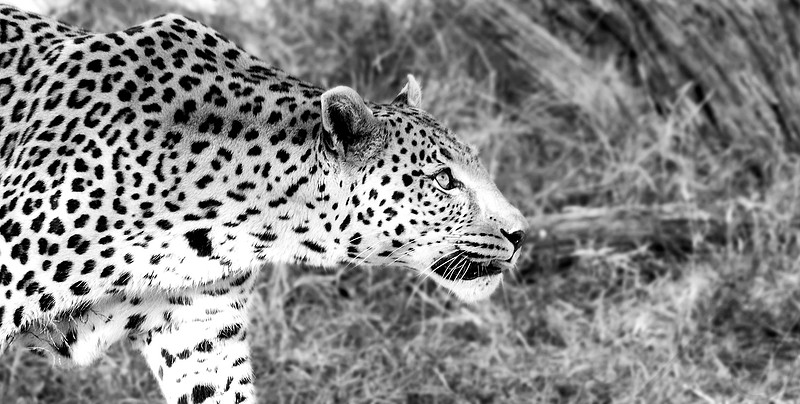 Leopard, Namibia


